
In Italy's La Festa della Mamma, mothers are pampered with flowers, poems, and a day free from cooking—a break that often sends Italian sons into a panic as they scramble to prepare meals.
From sacred reflections to royal traditions, discover how seven cultures across the globe celebrate the women who nurture, protect, and inspire us.
Matatirtha Aunsi — Nepal
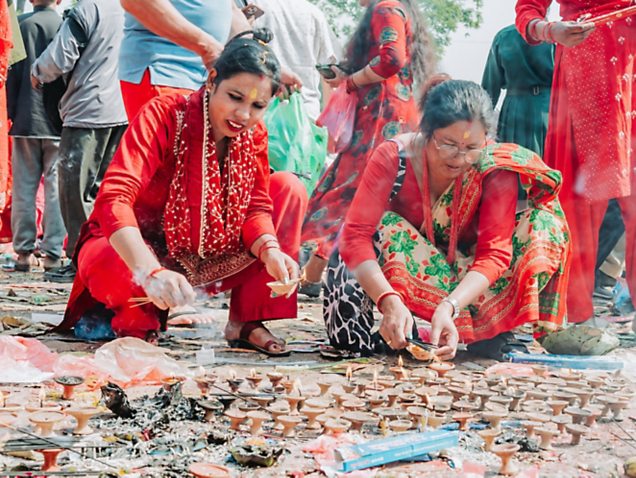
When? Matatirtha Aunsi falls on the new moon day during April or May, according to the Nepali lunar calendar
Where? While celebrated throughout Nepal, the most significant observances occur at the sacred Matatirtha pond, located about six miles southwest of Kathmandu.
What's the story? This deeply spiritual observance honors both living and deceased mothers. The tradition at Matatirtha pond began when a grieving man who had lost his mother saw her face reflected in the sacred waters, bringing him profound comfort. Word spread of this miraculous occurrence, and the site became a pilgrimage destination for those mourning maternal loss.
How is it celebrated? Those fortunate enough to have living mothers present gifts of sweets, fruits, and special clothing while adorning them with flower garlands in a ceremony expressing deep gratitude. For those whose mothers have passed, the day centers around pilgrimages to Matatirtha pond. Devotees bathe in the sacred waters, offer prayers, and present grains while gazing into the pond's surface, hoping for a momentary glimpse of their departed mother's reflection.
Embark on our Nepal & the Mystical Himalayas adventure in April or May for a chance to witness the profound maternal devotion of Matatirtha Aunsi firsthand.
Mothering Sunday — United Kingdom
When? Mothering Sunday falls on the fourth Sunday of Lent, approximately three weeks before Easter.
Where? Celebrated throughout the United Kingdom, with both urban and rural communities maintaining unique aspects of this centuries-old tradition.
What's the story? Unlike many global Mother's Day celebrations, Mothering Sunday began not as a celebration of motherhood but as a religious observance. In the 16th century, people would make a pilgrimage to their "mother church"—the main church or cathedral in their area—for a special service. By the 17th century, this religious custom evolved to include a rare day off for domestic servants, allowing them to return home to visit their families.
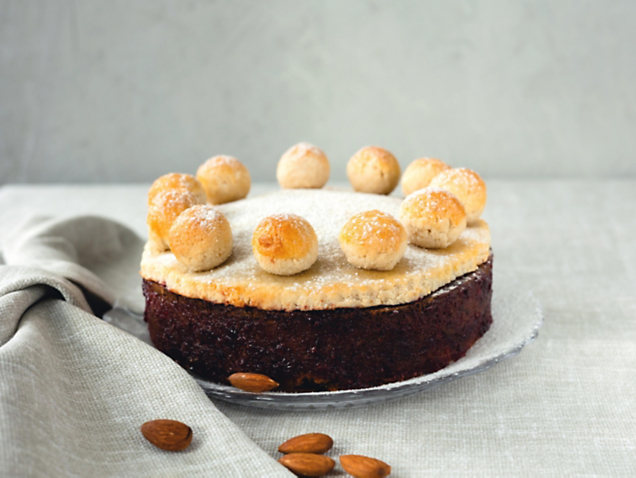
How is it celebrated? While modern celebrations now include cards, flowers, and family meals similar to other countries, certain traditional elements persist. Some bakeries still create "mothering cakes"—rich almond-flavored confections that were historically carried home by those returning from service. Churches may distribute daffodils for children to present to their mothers, and some families still serve simnel cake—a light fruitcake decorated with marzipan balls representing the apostles (see the photo above). Though commercialized in recent decades, many Britons make special efforts to maintain these historical connections through handmade gifts and family recipes passed through generations.
Experience the blend of tradition and modernity during the London: England’s Regal Capital pre-trip extension to our New! Cruising Northern Europe: From Normandy's Beaches to the Shores of Scandinavia adventure (when scheduled during the Lenten season).
Mother’s Day (With Ancient Roots) — Egypt
When? Modern Mother's Day falls on March 21, coinciding with the first day of spring, though ancient celebrations followed different calendars.
Where? Celebrated nationwide in contemporary Egypt, with ancient observances centered around temples dedicated to Isis along the Nile.
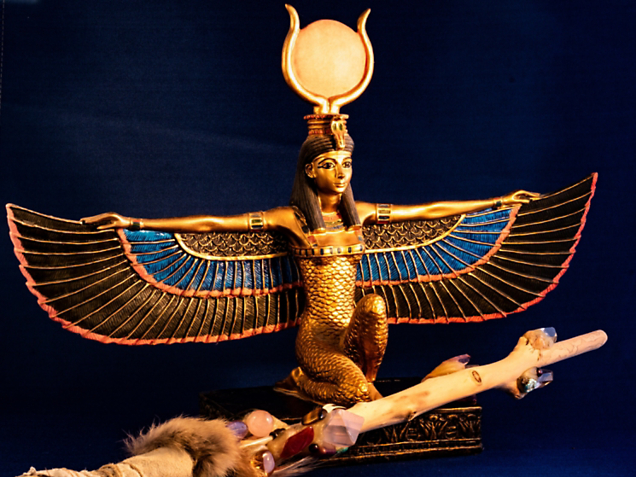
What's the story? While Egypt's modern Mother's Day was established in 1956, maternal reverence in this region stretches back millennia. Ancient Egyptians conducted elaborate festivals honoring Isis, the powerful goddess of motherhood, fertility, and protection. Depicted with a throne-shaped headdress and outstretched wings, Isis represented the divine maternal ideal—protective, nurturing, and fiercely devoted to her son Horus.
How is it celebrated? Today's celebrations blend contemporary customs with subtle echoes of ancient traditions. Families gather for special meals where mothers receive gifts and public recognition. Schools often host programs where children perform songs and recite poetry honoring mothers. Some families visit botanical gardens or the banks of the Nile—subtle modern connections to fertility symbols important in ancient maternal worship. While the religious aspects have faded, the cultural emphasis on maternal sacrifice and devotion remains a direct link to Egypt's ancient past.
Discover the blend of ancient reverence and modern celebration during our Egypt & the Eternal Nile by Private, Classic River-Yacht adventure (when scheduled in March).
Día de la Madre — Peru
When? Día de la Madre is observed on the second Sunday of May.
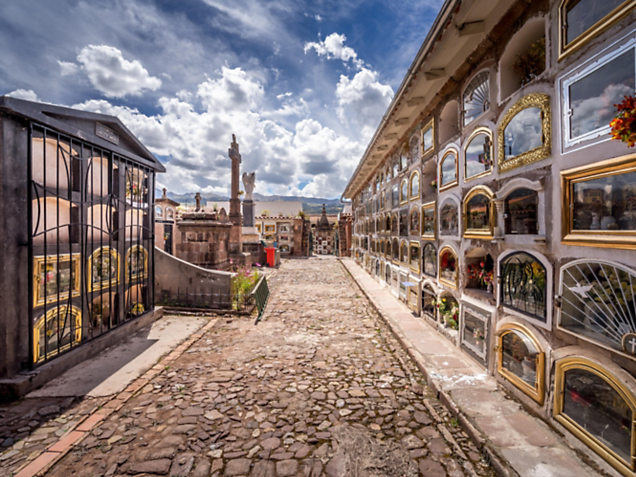
Where? The celebration spans Peru's diverse regions, from Lima's urban neighborhoods to remote Andean villages, with particularly notable cemetery gatherings in cities like Cusco and Arequipa.
What's the story? While Peru's Mother's Day shares its date with American traditions, its observance reveals deeper cultural attitudes toward family bonds and the afterlife. The celebration reflects Peru's unique blending of indigenous traditions and Spanish influences, particularly in how the day honors both living mothers and maternal ancestors.
How is it celebrated? For families with living mothers, the day begins with serenades of traditional songs, followed by family feasts featuring regional specialties. However, Peru's most distinctive tradition occurs in cemeteries throughout the country. Families gather around the graves of departed mothers, bringing flowers, favorite foods, and musicians to play beloved songs. What begins as solemn remembrance often evolves into celebration, with multiple generations sharing stories, meals, and music. To the Peruvians, death represents a transition rather than an ending, and maternal bonds transcend physical separation.
Join our Machu Picchu & the Galápagos adventure in May to witness this powerful demonstration of how maternal bonds transcend even death in Peruvian culture.
Mother’s Day (With Royal Influence) — Thailand
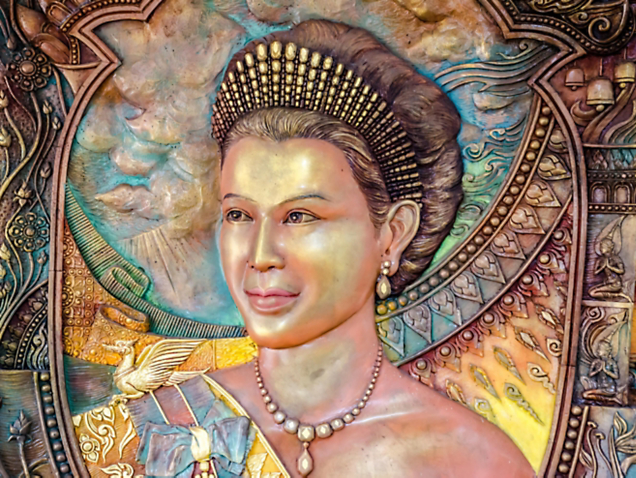
When? Mother's Day in Thailand is celebrated on August 12, coinciding with the birthday of Queen Sirikit.
Where? Nationwide observances take place, with particularly elaborate ceremonies in Bangkok near the Grand Palace and in provincial capitals throughout the country.
What's the story? Thailand's Mother's Day began in 1976 when the government designated Queen Sirikit's birthday as a national day honoring mothers. Queen Sirikit, who served alongside King Bhumibol Adulyadej (Rama IX) for over seven decades, came to represent the ideal of Thai motherhood—graceful, devoted, and central to family and cultural identity.
How is it celebrated? The day begins with merit-making ceremonies at Buddhist temples and almsgiving to monks. The most touching tradition occurs when children kneel before their mothers to present jasmine garlands—chosen for their pure white color and sweet fragrance symbolizing maternal love's enduring nature. Government buildings display portraits of Queen Sirikit decorated with lights and purple Queen Sirikit orchids, while streets overflow with white jasmine flowers.
Experience Thailand's royal-influenced maternal traditions during our New! Discover Thailand: Bangkok to Chiang Rai adventure when scheduled in August.
Anneler Günü — Turkey
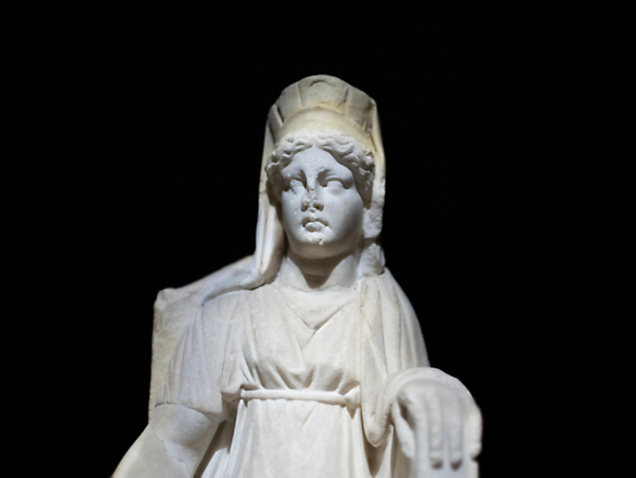
When? Turkey celebrates Anneler Günü on the second Sunday of May.
Where? Observed throughout Turkey, from cosmopolitan Istanbul to rural Anatolian villages.
What's the story? Turkey's Mother's Day represents a fascinating cultural blend. While its modern form gained official recognition in the 1950s—aligning with the country's westernization efforts—the appreciation of motherhood in this region traces back millennia to Anatolian goddess cults honoring Cybele, the ancient mother goddess representing fertility and abundance.
How is it celebrated? Today's observances combine global customs with distinctly Turkish elements. Families present mothers with flowers—particularly red carnations symbolizing admiration and love. Children of all ages demonstrate their appreciation through handmade cards, while schools often host special performances honoring mothers. Families gather for elaborate meals featuring traditional dishes that mothers typically prepare but are relieved from cooking on this day. Public institutions frequently host special exhibitions and ceremonies honoring exemplary mothers who have contributed to society through both their professional achievements and family dedication.
Discover this cultural blend of ancient reverence and contemporary celebration during our Turkey's Magical Hideaways adventure in May.
La Festa della Mamma — Italy
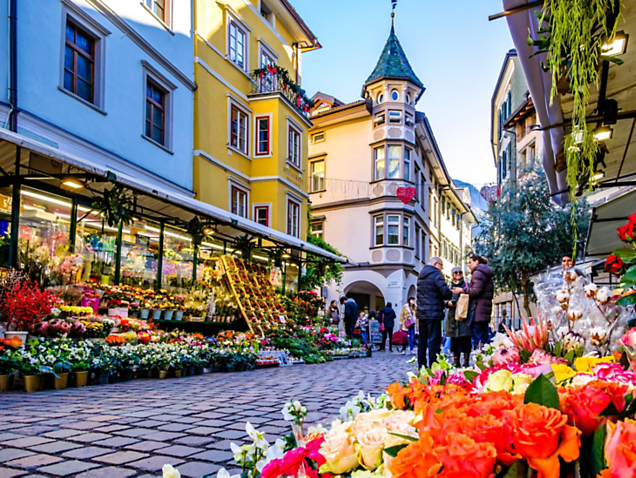
When? La Festa della Mamma is celebrated on the second Sunday in May, aligning with the American observance.
Where? The celebration spans the entire country, with particularly festive atmospheres in major cities like Rome, Florence, and Naples.
What's the story? While Italy's Mother's Day began in the 1950s—inspired by American traditions—it quickly developed its own distinct characteristics. In a culture where food preparation often falls to matriarchs, the day represents a significant role reversal as Italian mothers receive a complete reprieve from household duties.
How is it celebrated? Children prepare for weeks in advance, creating handmade cards and heartfelt poems at school. On the day itself, mothers wake to breakfast in bed, followed by presentations of flowers—traditionally red roses symbolizing passion and admiration. The primary focus becomes helping mothers enjoy a day completely free from cooking and chores—some Italian sons suddenly tasked with meal preparation. Restaurants across Italy experience one of their busiest days as families treat mothers to elaborate meals outside the home, followed by heart-shaped cakes or specially decorated desserts symbolizing maternal love.
Go on our Northern Italy: The Alps, Dolomites & Lombardy adventure in May to experience the warmth of Italian family traditions during La Festa della Mamma.
Finding Family in Sicily: Behind the Scenes of a Remarkable Reunion
O.A.T.’s Program Services Manager in Sicily shares the story of one lucky group of travelers.
Around the World in 5 Spring Festivals
Check out these five spring festivals around the world—and learn about their cultural and historical significance.
Saturnalia: A Week of Doing Not as the Romans Did
The debaucherous Roman holiday of Saturnalia encouraged gambling, singing, and feasting—and all members of all social classes were involved.
Get The Inside Scoop On...
Like what you see here? Receive weekly updates right in your inbox.
inside-scoopArticles In This Edition

6 Special Departures by Sea and River for 2025

A Surprise Wedding in Kenya

Inside an Indian Baby Shower Ceremony with Arpana Bhargava

Mother's Day Around the World: 7 Celebrations from O.A.T. Destinations

Who Am I?