The French introduced coffee to Vietnam in the 1800s, and the Vietnamese have made it their own. Hear from Young Dinh—Trip Experience Leader for Inside Vietnam— about the unique tradition of “weasel coffee”, including where and how to enjoy it, in the video above.
France began colonizing Vietnam under Napoleon III in 1858, and by 1887 controlled modern-day Vietnam, Laos, and Cambodia with the establishment of French Indochina. The rationale for their imperialism was a mission civilisatrice—"civilizing mission"—claiming the region would remain impoverished and undeveloped without European intervention. In truth, most of the "development" that occurred during occupation benefited French economic interests, rather than those of the colonies.
By the time Vietnam gained independence in 1954, French influence had left an indelible mark on local culture. At its core, to say the least, the impact of colonialism is complicated and conflicting—but the Vietnamese have embraced French influences within their beloved cuisine … with delicious results.
We chatted with Young Dinh, a Vietnamese Trip Experience Leader since 2014, to learn more.
Inside Scoop: What are some famous Vietnamese dishes that Americans are surprised to learn were influenced by the French?
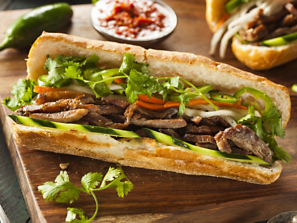
Young Dinh: The greatest influence would be the baguettes, and in Vietnam we picked it up as banh mi, a baguette stuffed with paté, pork slices, or with some other meat variations like chicken, omelet, or canned tuna, and with some veggies too. Banh mi has become a very popular street food in Vietnam and some other countries. Even our famous pho noodle soup is said to have some influence from French cuisine: pot au feu, a traditional French noodle soup similar to pho.
IS: Are there ingredients that Vietnamese cooks adopted from the French and still use today? Do you use any of these in your home?
YD: Yes. We do use butter and cheese in some of our dishes nowadays. We also eat French fries, fried chicken, or grilled lobster/oyster with cheese. For veggies, we produce almost everything grown in the Western countries like potato, cauliflower, asparagus, and onions. The Vietnamese names for these veggies all include the word "Tây," which means "from Western countries". Dalat city [in the Vietnamese highlands] is one of the places that grows most of these veggies in Vietnam.
IS: As a Vietnamese, do you feel any resentment about French influences on food or architecture in your country today? Or have you embraced it as part of your culture?
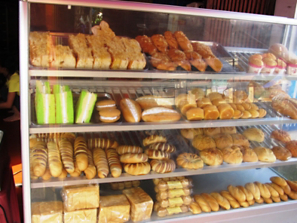
YD: No, I don’t think Vietnamese have any resentment about French influences in our country today. We did embrace it as part of our culture. Like the baguette, cake has become so popular here, and the French architecture has been a remarkable influence into our homes. The villa style homes are very common in Dalat (known as le petit Paris back in the day).
IS: Do Vietnamese drink French wine?
YD: Vietnam is not a country for wine, so we mostly have to import the wines—and they are not cheap. The only wine made in Vietnam is Dalat wine, and of course it’s the French influence. Vietnamese drink wine in addition to local drinks and beer, however wine is still considered something fancy.
IS: Are certain specialties more well-known in different parts of Vietnam?
YD: Yes. In Vietnam it’s kind of divided into three main regions: North, Central, and South. For example, the pho noodle soup is definitely different (taste and ingredients) in each region. Here are some places you want to look for food specialties: Hanoi, Hue, Hoi An, Saigon (Ho Chi Minh City). Other smaller cities have their own specialties too.
IS: Of the more famous French-inspired dishes in Vietnam, do you have recommendations for where travelers should try them?
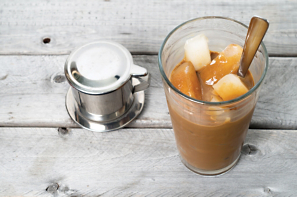
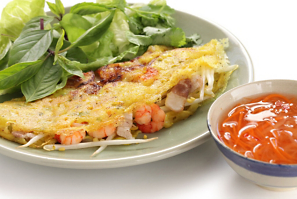
YD: Travelers should try Pho Thìn in Hanoi and Pho Hùng in Saigon to see the difference (mostly pho shops in the U.S. serve pho in Saigon-style). Flan and caramel are popular street desserts in Hanoi. Crepes are served as desserts in some restaurants, but local crepes, known as bánh khoái in Hue or bánh xèo in Hoi An and down south. Dalat offers the best coffee as it’s grown here in this part of the central highlands. However the egg coffee in Hanoi, salt coffee in Hue, and an iced coffee (Ca phe sua da) in Saigon cannot be missed.
IS: Do you have any fun food-related stories to share about your travelers?
YD: I’ve gotten travelers to try some unique foods in Vietnam such as Trung vịt lộn (duck’s embryo egg), rice paddy rats, snake wine, and betel nuts … and they all gave me a great laugh!
See—and taste—French influences in Vietnam and take some of Young’s suggestions during Inside Vietnam.


