Meet Prosper Manyanda, Trip Experience Leader on Ultimate Africa: Botswana, Zambia & Zimbabwe Safari, and hear about his favorite memories from his storied career of leading travelers through Africa—including a memorable encounter with a silverback gorilla in Uganda.
Here at O.A.T., African safaris are among our most popular trips. Sure, you’ll be about as far away from home as you can be, and out in the wild. But you’ll also be well cared for by your safari guides, drivers, and camp and lodge crew; and gratified by the camaraderie that arises as you share such an impactful experience with your safari mates. You’ll have to be mindful of what you pack: On Ultimate Africa: Botswana, Zambia & Zimbabwe Safari, the small aircraft that fly you to your lodges have strict weight limits. But most safari lodges will surprise you with the level of creature comforts they provide, out among the most marvelous creatures on earth.
Our Tried-and-True Safari Tips
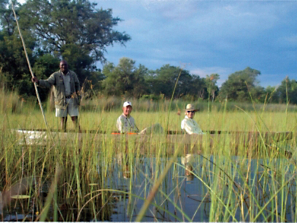
For the best chance at exploring Botswana’s Okavango Delta by mokoro canoe, visit between April and October.
Know when to go: This will depend on your destination and your specific interests. For example, O.A.T.’s safari experts recommend you visit Botswana between April and October, when seasonal floods turn the Okavango Delta into a watery paradise that you can explore via mokoro-style dugout canoes. Serengeti safaris can be rewarding year-round, but many travelers like to come in early February, when the wildebeests are calving (and therefore attracting predators). Otherwise, a good rule of thumb for most safari destinations is to come during the dry season, when there is less vegetation to obscure your view of the wildlife. It’s also when animals are compelled to gather at permanent water holes, so they’re easier to find.
Plan to dress in layers: Your game drives will commence in the early hours when animals are most active, but the temperatures can be quite cold. As the day wears on, it can get very hot. So bring a sweater, a fleece jacket or vest, and warm socks, and plan to peel them off. We love those camp pants that zip off above the knee and can double as long slacks or shorts. They’re made of light, synthetic fabrics that dry very quickly, too.
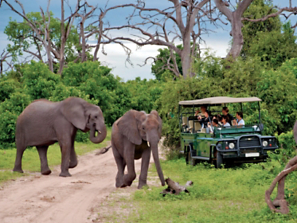
A few strategic packing tips can help you get the most out of every game drive.
Don’t wear blue: It attracts tsetse flies (as does black). Also avoid wearing white: it will become instantly dingy from all the dust. This is why classic safari clothes are tan, khaki, or green colored.
Bring insect repellent: Our travelers have recommended plenty, from Skeet Beater to Jungle Juice 100 to Avon Skin So Soft and anything with high concentrations of DEET. If you do get bitten by a mosquito or tsetse fly, some say that hemorrhoid cream provides the best itch relief.
Bring binoculars: Animals may come very close to your safari vehicle, and even to your lodge or campsite. But you will see so much more with binoculars.
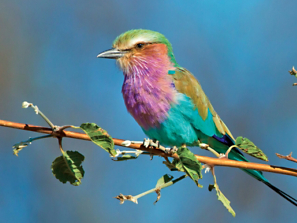
Eagle-eyed birdwatchers can help spot much more than species like this lilac-breasted roller.
Follow the birdwatchers: On O.A.T.’s African safaris, the Trip Experience Leader will often ask, "Who is a birdwatcher?" You should get in the vehicle with the birders, if you can. They are used to seeing movement in the trees, which might lead to a leopard flicking its tail. They look for patterns that break, indicating a flock of something feeding. Between the birders and your eagle-eyed driver-guides, it will be like having extra eyes.
More Things to Bring
- A "buff"—to be used as a headband, dust mask, neck warmer, and more.
- A sports bra—those roads are bumpy and you’ll be jostled.
- Hands-free flashlight or portable lantern—for dark nights in tented camps.
- Inflatable cushion/pillow—for those bumpy rides through the bush.
- Moist towelettes—to refresh your face after a long, dusty game drive.
- Nail brush—for cleaning feet at the end of a dusty day.
- A nylon loofah—to maximize limited water while showering.
- Photos of North American wildlife—especially bears, which don’t live in Africa—to bond with local people.
- A smartphone lanyard—to keep your phone safe in moving vehicles.
What to Eat
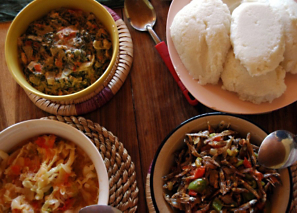
A traditional Zimbabwean meal served with sadze.
Pap is a mainstay on most tables in sub-Saharan Africa. It is a starchy porridge (similar to grits or polenta) made from white corn maize. In Kenya and Tanzania it is called ugali, and in Zimbabwe it goes by sadze.
Pap will often be the base for chakalaka, a (usually cold) vegetable stew made with tomatoes, onions, peppers, carrots, beans and spices. Zimbabweans like their sadze with a tasty pumpkin leaf relish that is cooked with peanut butter. In Botswana, try your pap with the national dish, seswaa, a savory meat stew.
Also popular throughout the region is biltong, air-dried strips of beef or other meat that has been cured in salt and marinated in vinegar. The resulting jerky is high in protein and a great portable snack during those long game drives.
If you’re invited to a South African braai (barbecue), chances are you will be treated to boerewors, a savory grilled sausage made from beef, pork, or lamb with spices.
In East Africa, sambusas are savory fried triangles of pastry filed with spiced ground beef and/or vegetables such as lentils, potatoes, and onions. Got a sweet tooth? Try mandazi, a fried yeast dough dusted with sugar and cinnamon, and served with fruit dip.
Tanzanians and Kenyans love mchuzi wa samaki, a Swahili fish specialty that uses any white fish (red snapper, cod bass) simmered with onions, oil, garlic, curry powder, tomatoes, water, coriander and lemon juice. Try it with some fluffy coconut rice.
These tips were excerpted from 101 Tips for Solo Women Travelers, our exclusive booklet that you can view online. Put our advice into practice during Ultimate Africa: Botswana, Zambia & Zimbabwe Safari.


