Wives, crows, and ferrets walk into a bar... or should we say an impatience, a murder, and a business? Explore the wild side of English vocabulary in this video from RobWords—and read about our favorite animal collectives to use on your next African safari below!
Collective nouns—those whimsical and often poetic terms for groups of animals—have roots dating back to medieval times when hunting was a popular aristocratic pastime. These colorful phrases not only add richness to language but often capture something essential about the animals they describe—whether it's their behavior, appearance, or the impression they make on observers. Here are 15 fun collective nouns to use on your next African safari.
1. A crash of rhinos
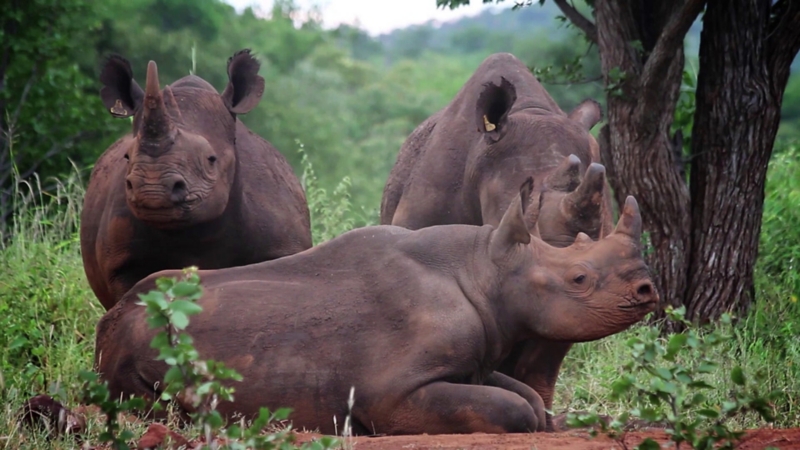
Earth is home to only five species of rhinoceros—the black and white rhinos of Africa and the Sumatran, Javan, and Indian rhinos, which live in the tropical forests and swamps of Asia. Despite their massive size and formidable horns, rhinos don’t prey on other animals for food, but are instead herbivores. Though most rhinos are solitary creatures, some species—such as the white rhino—live in groups known as a "crash."
2. A float of crocodiles
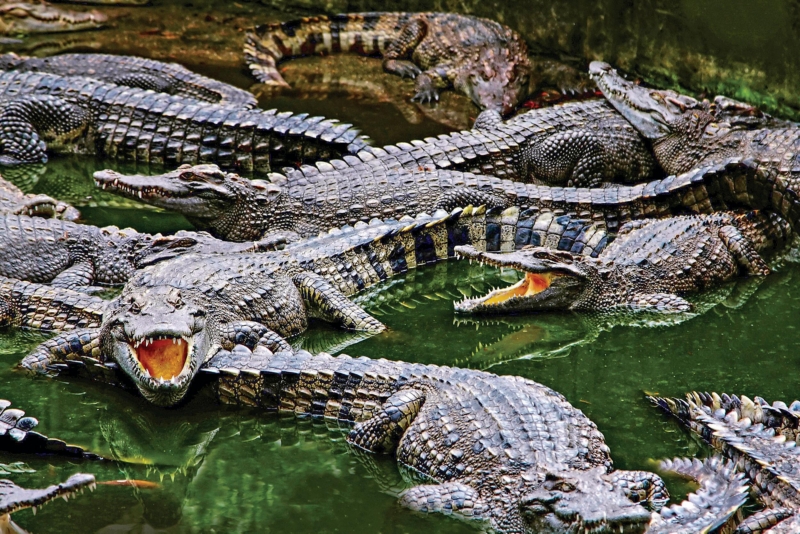
If they look like living dinosaurs, there’s a reason—modern crocodiles are members of the Crocodilia family and haven’t changed much in about 100 million years. Today they dwell in the lakes, rivers, and wetlands of Africa, Asia, Australia, and the Americas. A group of these toothy predators is called a "float."
3. A bloat of hippos
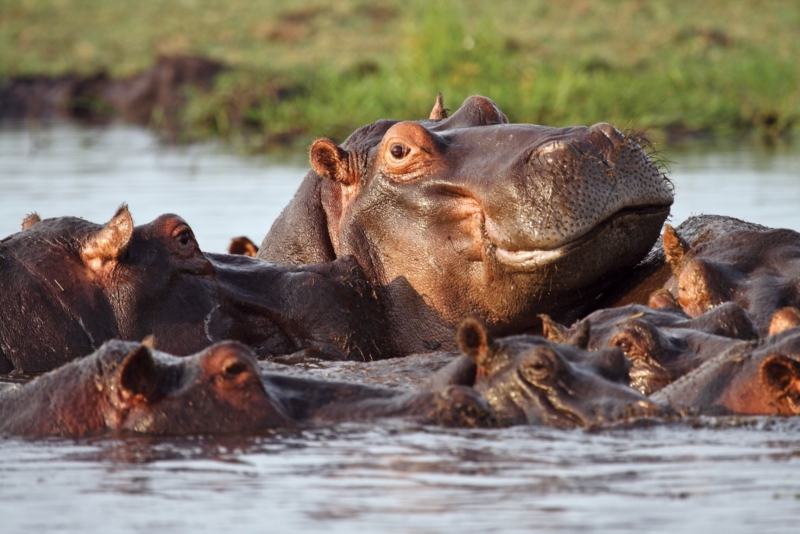
Native to Africa, hippopotamuses are large, in charge, and surprisingly aggressive for an animal that eats grass and naps in pools all day. The third largest mammal on Earth, hippos may look rotund, but move swiftly. They’re also quite territorial, so you would be advised to leave them alone if you came across a "bloat" of them.
4. A tower of giraffes
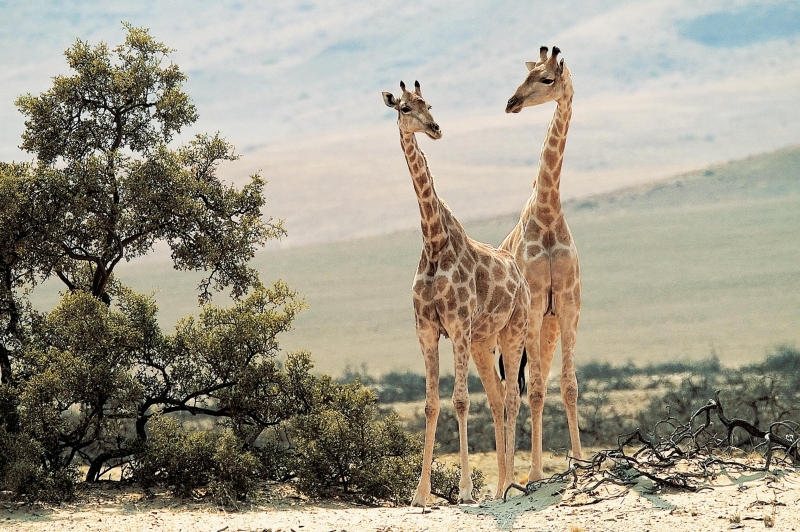
With their long necks and legs, giraffes are the tallest land animals in the world. Native to Africa, these gentle giants can reach heights of up to 18 feet. Their distinctive spotted coats provide camouflage in the grasslands and open woodlands where they live. When seen in groups, often browsing treetops for leaves, these majestic creatures form what's known as a "tower" of giraffes.
5. A shrewdness of apes
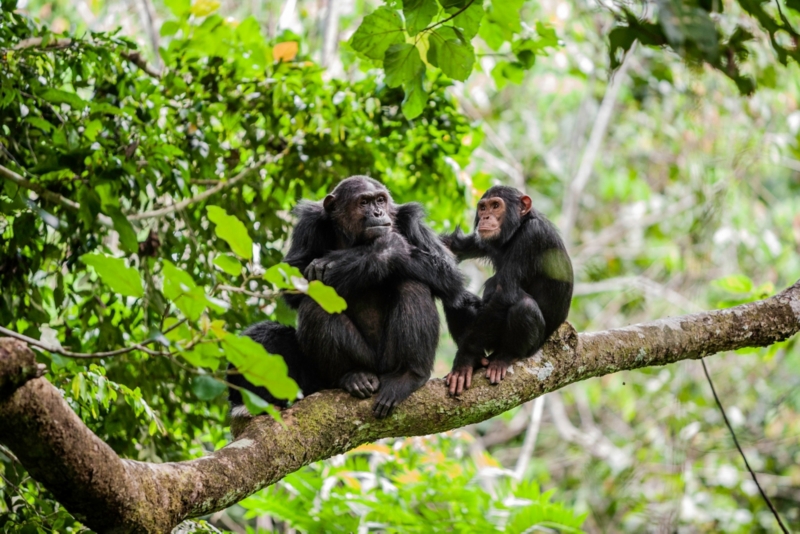
Apes, our closest animal relatives, are known for their intelligence and complex social structures. This group includes chimpanzees, gorillas, orangutans, and bonobos. They demonstrate tool use, problem-solving skills, and even self-awareness. When gathered together, they're called a "shrewdness," aptly reflecting their cognitive abilities and cunning nature.
6. A memory of elephants
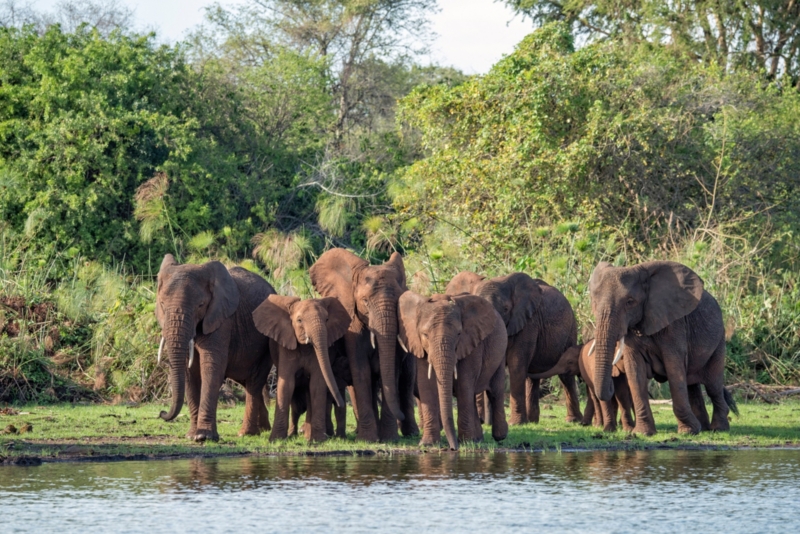
Elephants are renowned for their intelligence, complex social structures, and remarkable memories. These gentle giants can live up to 70 years in the wild, passing down knowledge through generations. Their ability to remember routes to water sources, recognize individuals, and even mourn their dead has led to the poetic term for a group: a "memory" of elephants.
7. A committee of vultures
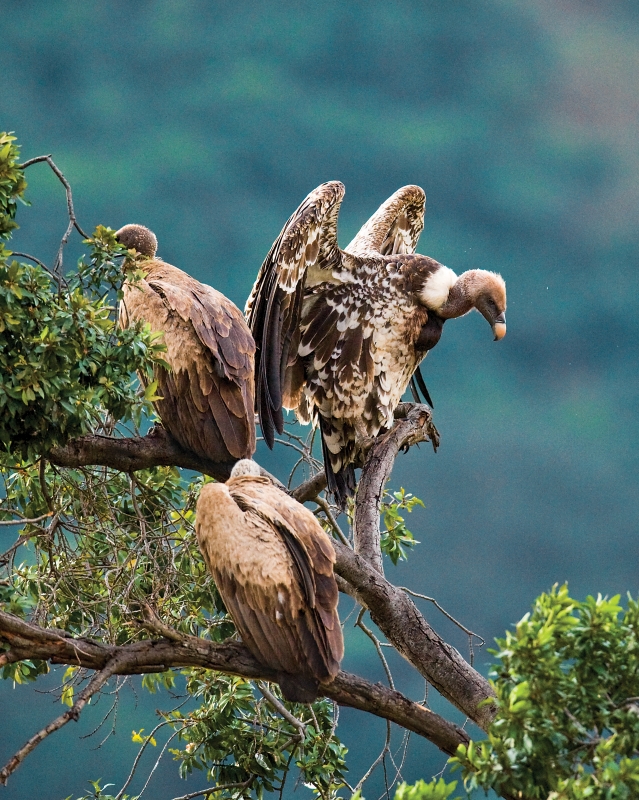
Often misunderstood, vultures play a crucial role in ecosystems as nature's clean-up crew. These scavengers help prevent the spread of disease by consuming carrion. Despite their somewhat intimidating appearance, vultures are social birds. When perched together, they form what's called a "committee," perhaps due to their seemingly deliberative manner when gathered.
8. A flamboyance of flamingos
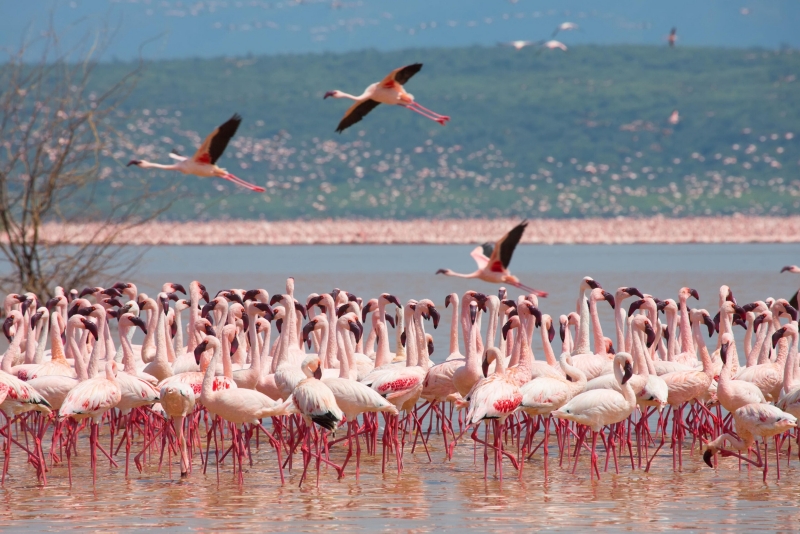
With their vibrant pink plumage and distinctive curved necks, flamingos are among the most recognizable birds in the world. Their colorful appearance comes from the carotenoid-rich algae and small crustaceans they eat. These social birds often gather in large groups, creating a spectacular sight known as a "flamboyance" of flamingos.
9. A confusion of wildebeests
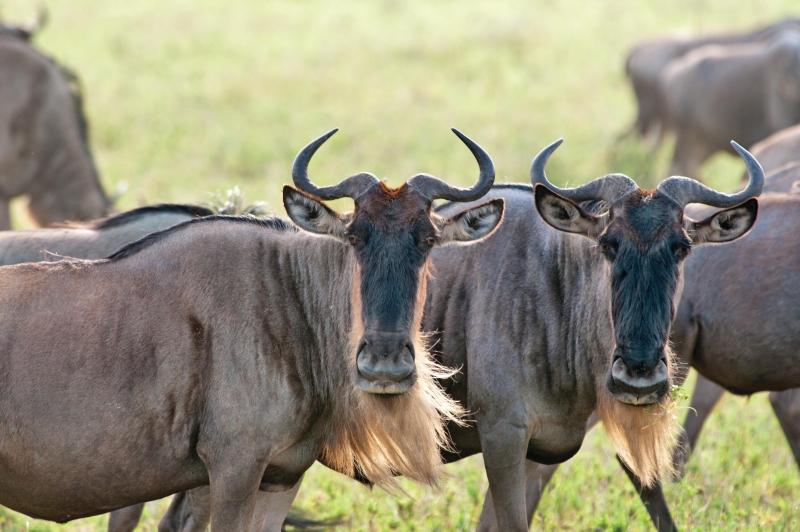
Wildebeests, also known as gnus, are large antelopes native to the grasslands of Africa. They're famous for their annual migration, where millions move in search of fresh grazing and water. During this time, their vast herds can appear chaotic and disorganized, leading to the collective noun "confusion" for a group of wildebeests.
10. A dazzle of zebras
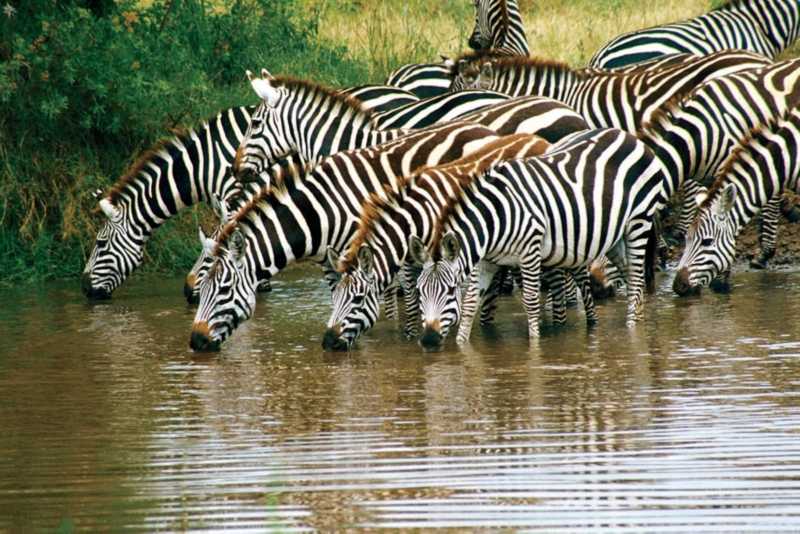
Zebras are instantly recognizable by their distinctive black and white stripes. These patterns—unique to each individual—serve as camouflage by confusing predators. When zebras gather in groups, their stripes create an optical illusion that can be disorienting, hence the term "dazzle" for a group of zebras.
11. A skulk of foxes
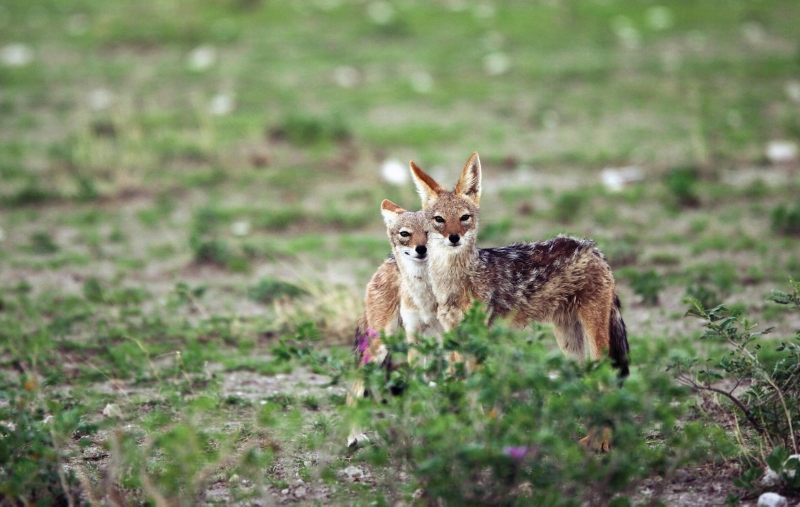
Foxes are known for their cunning and adaptability, thriving in diverse habitats across the globe—including Africa. These intelligent canines are typically solitary, but they may form small family groups. Their stealthy nature and tendency to move quietly through their environment have led to the term "skulk" for a group of foxes.
12. A prickle of porcupines
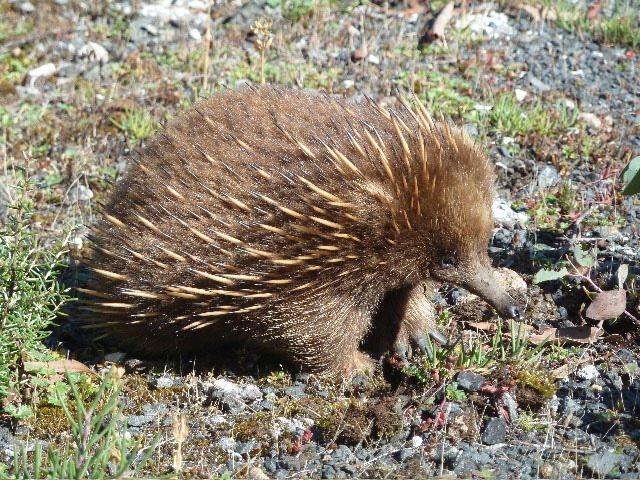
Porcupines are rodents known for their coat of sharp quills, which serve as a defense against predators. Contrary to popular belief, they cannot shoot their quills, but the quills detach easily when touched. These generally solitary creatures are called a "prickle" when in a group, a fitting name given their spiny appearance.
13. A chorus of frogs
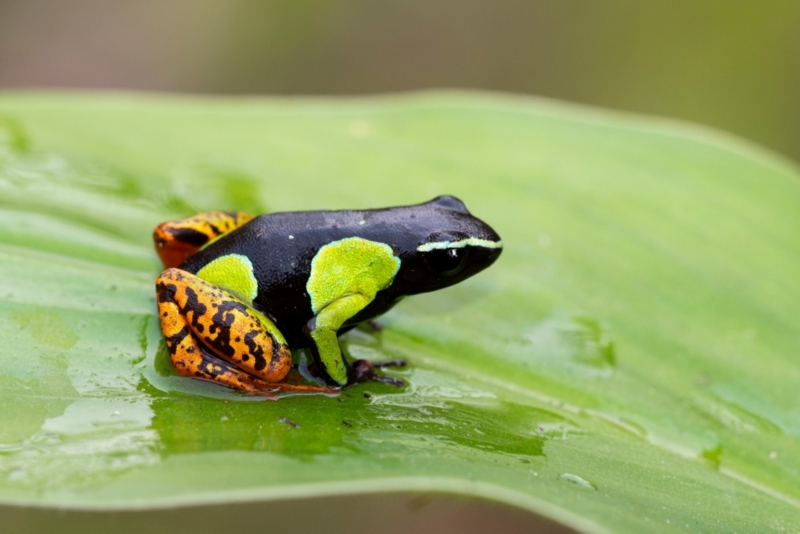
Frogs are amphibians found in a wide variety of habitats around the world. They're known for their distinctive calls, which males use to attract mates. When many frogs call together—especially at night or before rain—they create a symphony of sound. This harmonious (or sometimes cacophonous) effect gives rise to the term "chorus" for a group of frogs.
14. An aerie of hawks
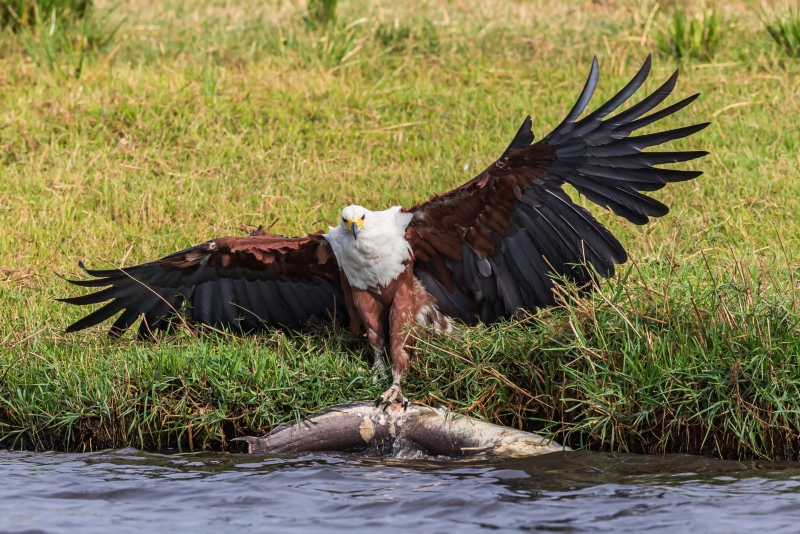
Hawks are birds of prey known for their sharp vision and hunting skills. These raptors build their nests, called aeries, in high places like cliffs or tall trees. While hawks are often solitary, they may gather in groups during migration. A collective of hawks is called an "aerie," sharing the name with their nesting sites.
15. A cackle of hyenas
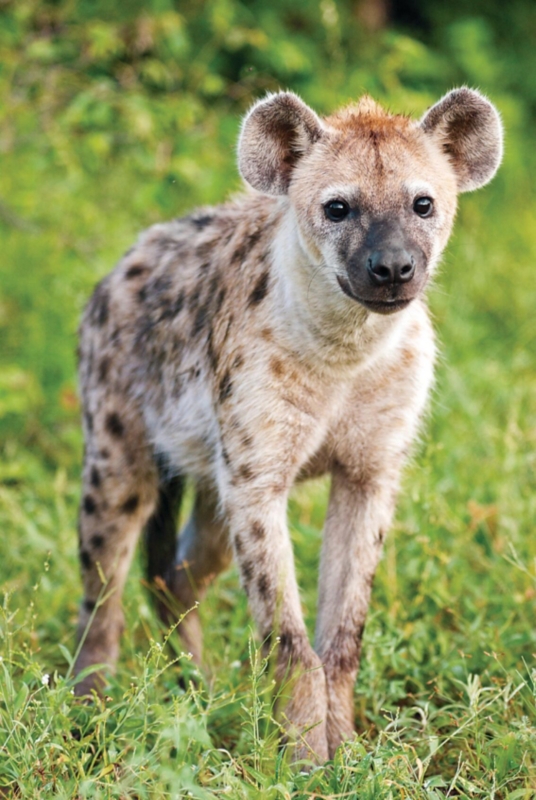
Hyenas are more closely related to cats than dogs, despite their dog-like appearance. They're known for their distinctive "laughing" vocalization, which is used in various social interactions. Hyenas are highly social animals, living in groups called clans. When gathered, they're referred to as a "cackle," a nod to their unique vocalizations.
Keep an eye out for these wondrous animals during our Kenya & Tanzania Safari: Masai Mara to the Serengeti adventure.


