
Based on archaeological findings, the Chinese have been making dumplings for at least 1,700 years. See how they’ve mastered the art during China’s Imperial Cities, Natural Splendor & Modern Marvels.
Based on archaeological findings, the Chinese have been making dumplings for at least 1,700 years. See how they’ve mastered the art during China’s Imperial Cities, Natural Splendor & Modern Marvels.
Dumplings are a classic comfort food known and loved all over the world. Almost every culture has a unique take on this delicious dish. The most universally recognized method consists of dough stuffed with seasoned meat and other ingredients native to the region, with tastes diverging even within the same country, making for delightful regional differences. Next, they are either fried, boiled, or baked; then dunked in a sweet, spicy, or tangy sauce, as seen with the Japanese gyoza. Another classic variety consists of a dough or dough-like mixture formed into a ball, then cooked in a hot broth, such as the classic Asheknazi matzo ball soup. However you prefer them, there is no denying they are the perfect cozy meal, and universally adored. Here are five of our favorites.
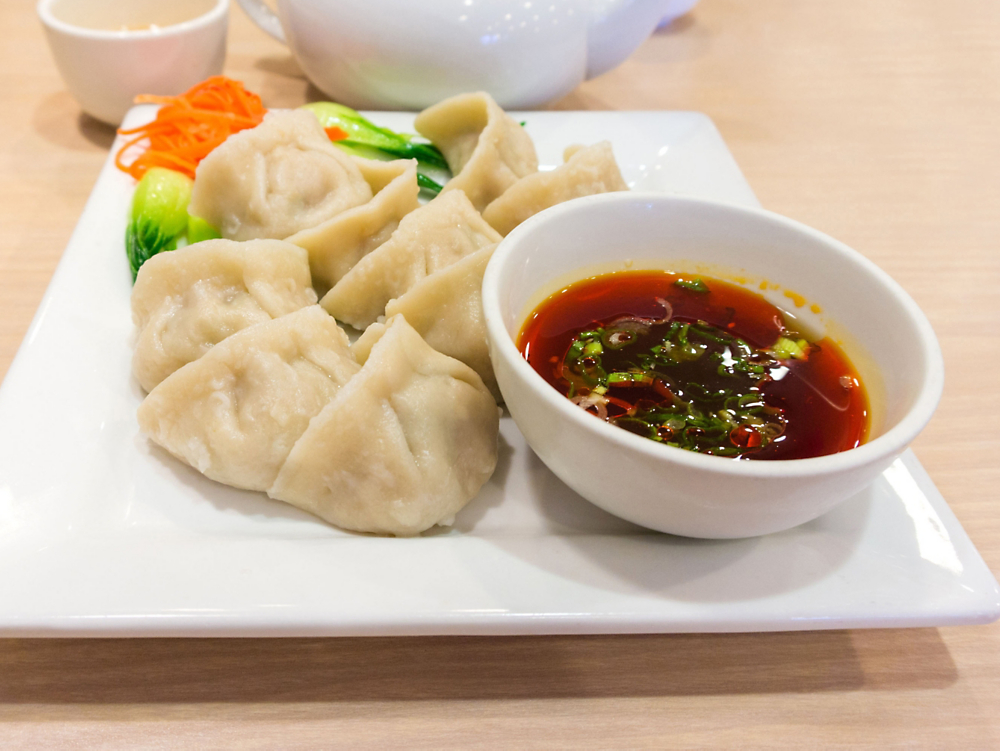
Chinese jiaozi
In the Sichuan region of southwestern China, locals enjoy Zhong dumplings—crescent-shaped dumplings with savory yet simple pork filling that are boiled and smothered in a bold mixture of garlic, red chili oil, and soy sauce. While northern Chinese dumplings often mix the pork filling with vegetables, the Sichuan-style base is milder to better feature the sweet and spicy aromatic sauce. As the home of both dishes like this and the Sichuan Cooking Museum, it is no wonder the Sichuan capital of Chengdu was named a UNESCO City of Gastronomy in 2010.
China hosts varying styles of dumplings, and some are reserved for special occasions, such as the Lunar New Year jiaozi. Families gather to create these pleated treats intended to resemble ancient gold ingots, and some traditions even hide a gold coin inside one lucky dumpling. Whoever finds it is said to have extra prosperity all year long.
Visit Chengdu and the Sichuan Cooking Museum, and prepare a delicious Sichuan-style meal during China’s Imperial Cities, Natural Splendor & Modern Marvels.
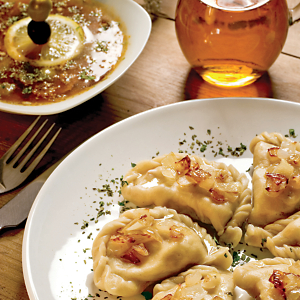
Polish pierogi
A savory staple of the Wigilia Feast in Poland is the pierogi. Wigilia is a meatless, 12-course meal on Christmas Eve where this hearty dumpling can be made in many different styles—both savory and sweet. Always starting with a delicious mąka puszysta—fine wheat flour—dough, they can be stuffed with potato and cheese (called a ruskie); sauerkraut and mushroom; or sweet fruit such as prune. When enjoyed outside of Wigilia for an everyday meal, they can be filled with meat such as ground beef or pork with onions and spices.
Pierogi can either be boiled or pan-fried, and are finished with caramelized fried onions and cool, tangy sour cream. Each family has a unique style and preference for the best way to prepare them, but everyone can agree on one thing: They taste better when made together.
Enjoy traditional Polish food, and perhaps a pierogi or two, at the Home-Hosted Dinner on Echos of Poland: Royal Capitals to Baltic Shores.
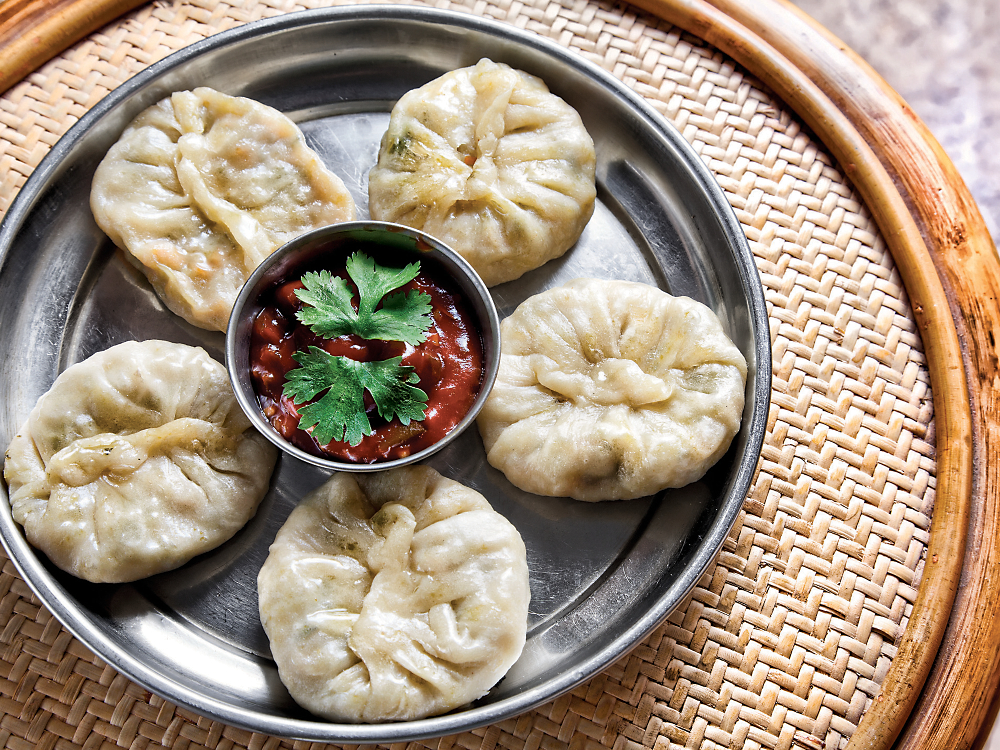
Nepalese momo
The momo—a half-moon or purse-shaped pinched dumpling from Tibet and Nepal—can be found both in home kitchens and street food kiosks alike. Adapted regionally based on seasonal ingredients from the cities to high altitudes, this dumpling recipe is delicious no matter what is available, and its filling can include any meat—including minced yak—or finely chopped vegetables. Rarely eaten plain, the most distinct part of these doughy delights is achar, a spicy tomato and sesame dipping sauce, or sepen, Tibetan hot sauce. If that’s not hot enough for you, they are also frequently served with steaming bowls of jhol, a nourishing meat or bone broth perfect for keeping cozy during frigid mountain winters. Phew.
Enjoy the hot and spicy tastes of Nepal on Nepal & the Mystical Himalayas.
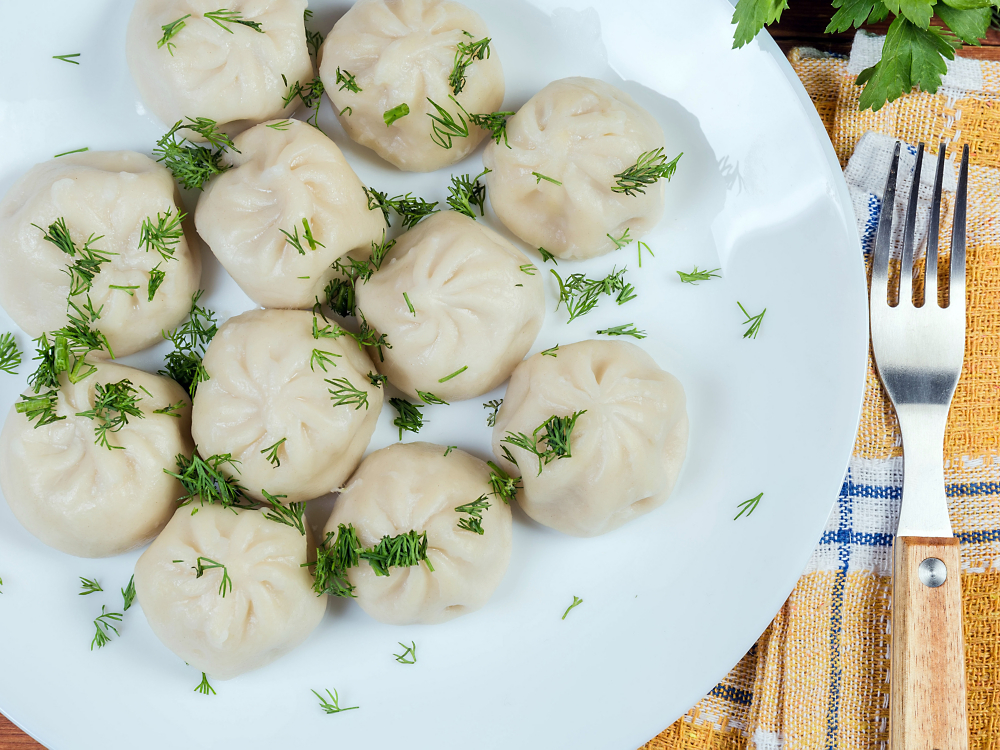
Georgian khinkali
Next on our list is the khinkali, a spiced minced meat- and soup-filled dumpling originating from homes in the mountains of Georgia. One must abide by particular etiquette while enjoying this home-cooked Georgian meal. First, khinkali are always handled by hand, as utensils would puncture the dough and spill the delicious broth—a serious dining faux pas! Second, the dumpling must be held by its kudi, the twisted knot at the top. Once secured, diners can take a small bite of dough and drink the hot, rich broth before enjoying the rest of the savory meat and dough—and can feel free to add as much black pepper as they like, as it is the traditional topping. Family members keep the kudi on their plates once they are done, as counting how many they have collected is a fun competition to see who has eaten the most at the end of the meal.
Experience Georgian hospitality and receive an authentic khinkali cooking lesson and meal at the Home-Hosted Dinner on Georgia & Armenia: Ancient Lands of the Southern Caucasus.
Northern Italian canederli
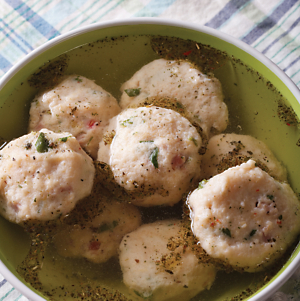
Finally, we venture to the land of stuffed pasta dishes—Italy. Here, the dumpling can be found in so many different forms we can’t list them all! There are gnocchi, soft, starchy pillows of pasta made with mashed potato, then smothered in butter, pesto, or red sauce. Gnudi are Tuscan dumplings made from a ricotta cheese and breadcrumb blend, rather than potatoes. Best served as a simple dish, its name actually means "naked." Canederli come from the Italian Alps, and are concocted similarly to Austrian and German dumplings with breadcrumbs, milk, eggs, and perhaps some smoked ham and cheese. They are then poached to perfection and served in a warming beef broth.
Of course, we can’t talk about Italian dumplings without a shoutout to the ravioli, egg-dough dumplings stuffed with savory or cheesy filling and cut into iconic squares, then slathered in delectable sauce—be it tomato, alfredo, or simple butter and cheese. Mangiamo!
Savor the flavors of Italy on Tuscany & Umbria: Rustic Beauty in the Italian Heartland.
Seek out jiaozi and other traditional Chinese dumplings during China’s Imperial Cities, Natural Splendor & Modern Marvels.
Comfort in a Cup: Global Tea Rituals
From Chinese tea rituals to Indian chai, tea is a universal sign of companionship, connection, and comfort.
Lucky Strikes
What accidental archaeological discovery did French President Jacques Chirac praise as the Eighth Wonder of the World?
Second Opinion
What two-letter word from traditional Chinese medicine is also popular with Scrabble players?
Get The Inside Scoop On...
Like what you see here? Receive weekly updates right in your inbox.
inside-scoopArticles In This Edition

Around the World in 5 Dumplings

Food Fight

It’s Summer Somewhere: 10 Adventures for a Winter Escape

Tater Thoughts

Unexpected Italy: A Taste of the Alps in Tirano